



How Advanced Open Water opens up Sydney diving


Open Water certification is a solid foundation. It builds safe habits, covers the core skills and gets divers into the water with confidence. For many people, it is also the start of a longer progression.
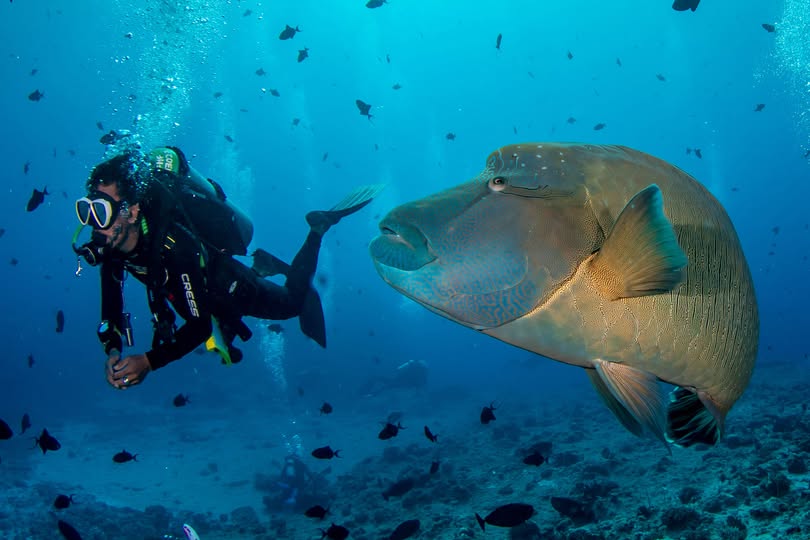
Sydney rewards that progression more than most places. The coastline is varied, the marine life is rich, and there is genuine depth to explore, both in terms of sites and conditions. Shore entries through surge, green water that tests navigation, reef structure that extends well beyond 18 metres, wreck sites worth planning a morning around. A lot of good diving here sits just past what an entry-level certification covers.
Advanced Open Water is the standard next step. It is a globally recognised PADI course, not a local invention. But what makes it worth doing depends on where you dive. In Sydney, the case is practical. The city’s conditions and site variety give the qualification a use that goes well beyond collecting another card.
More sites, fewer limits
The most immediate change is access. At Open Water level, the 18-metre ceiling is sensible but limiting in a city where some of the more interesting structure, marine life and wreck diving sits deeper.
After Advanced Open Water, the depth limit extends to 30 metres. That does not mean every dive needs to go there. It means the list of sites you can realistically plan around gets significantly longer:
-
Deeper reef ledges and gutters along the northern beaches and eastern suburbs
-
Boat dives to offshore sites that were previously out of range
-
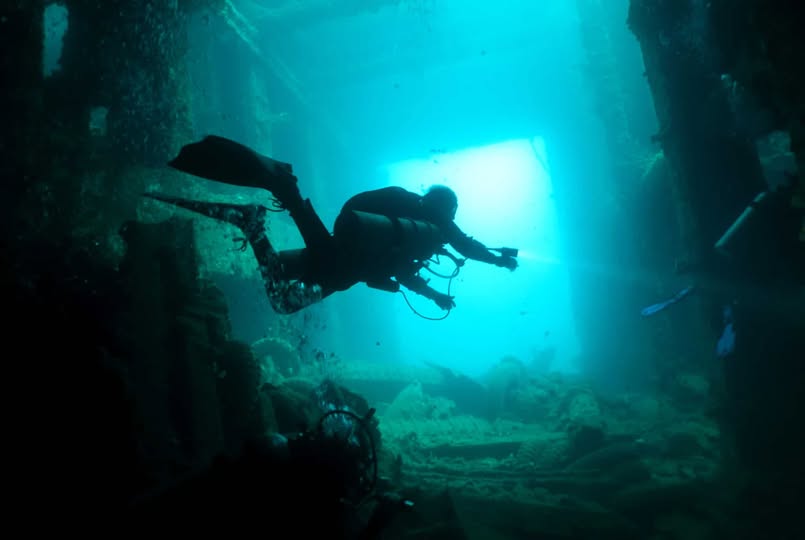
Wreck dives that sit below the Open Water ceiling
-
More flexibility when conditions push you toward sites with deeper profiles
Site selection shifts from “what am I allowed to do” to “what suits today’s conditions and plan.” That is a meaningful change for anyone diving Sydney regularly.
Navigation becomes a working skill
At Open Water level, navigation is introduced but rarely tested under pressure. Most early dives are guided. Someone more experienced sets the route, and newer divers follow.
Sydney makes that arrangement harder to sustain. Shore entries are not always straightforward. Return points matter when you are swimming back through surge to a rock platform. Visibility can drop mid-dive. Underwater terrain does not always match what the briefing suggested.
Advanced Open Water treats navigation as something you use in the water, not just in a classroom:
-
Compass headings that account for current and swell
-
Natural navigation using reef features and depth contours
-
Planning return routes before entering the water
-
Maintaining orientation when visibility closes in
None of this eliminates the variables. It means a diver can manage them with less stress and more awareness.
Confidence without the bluff
This is worth stating plainly. Advanced Open Water does not make a newer diver experienced. It does not replace local knowledge, regular diving or the common sense to sit one out when conditions are poor.
What it does is close the gap between “certified but dependent” and “capable of planning a dive with more independence.” For many Sydney divers, that gap is where frustration lives. They have the qualification to be in the water but not quite the range to enjoy what Sydney’s coastline has to offer.
After the course, that tends to shift. Divers start planning with more intention, reading conditions with more understanding, and choosing sites based on what they offer rather than what the certification allows. It is less about being led through every decision and more about taking an active role.
Low visibility is not just a night diving problem
Not every diver wants to dive at night. But in Sydney, the skills taught in night diving are relevant well before sunset.
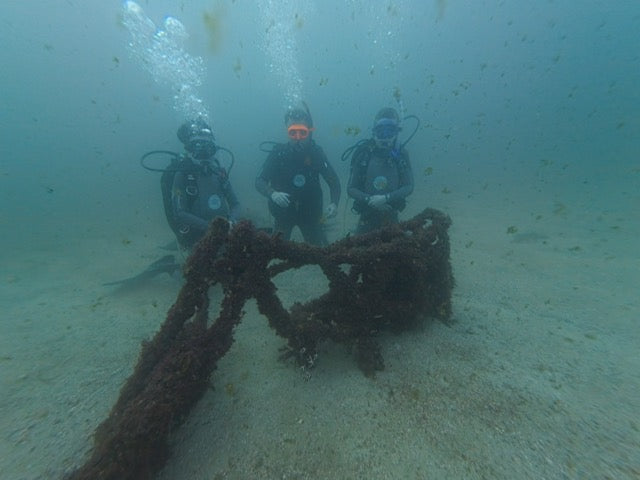
Green water, particulate matter and shifting light can reduce visibility to a point where the experience feels closer to a night dive than a clear daytime one. Staying oriented, reading instruments quickly and remaining composed when the visual field narrows are not niche skills here. They are part of what regular Sydney diving asks of you.
Night diving training sharpens those habits. It also changes the way divers relate to their equipment. Torch use, instrument readability and communication all become more deliberate. That carries over to every dive, not just the ones after dark.
Gear starts pulling its weight
Entry-level diving is forgiving on equipment. Rental gear works. Fit and familiarity are less critical when dives are simple, guided and shallow.
That changes with progression. After a stretch of local diving, small differences become noticeable:
-
A well-fitting wetsuit is noticeably more comfortable across repeated shore dives
-
Boots and fins matter more when entries involve rock platforms and surge
-
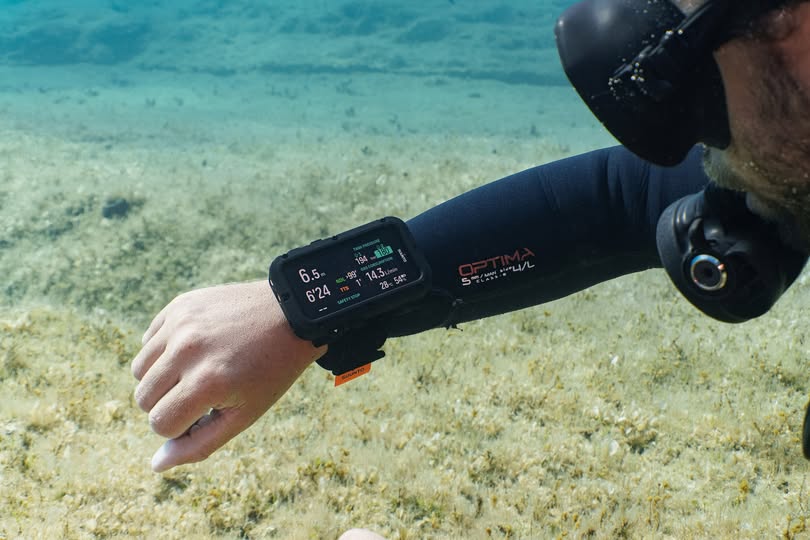
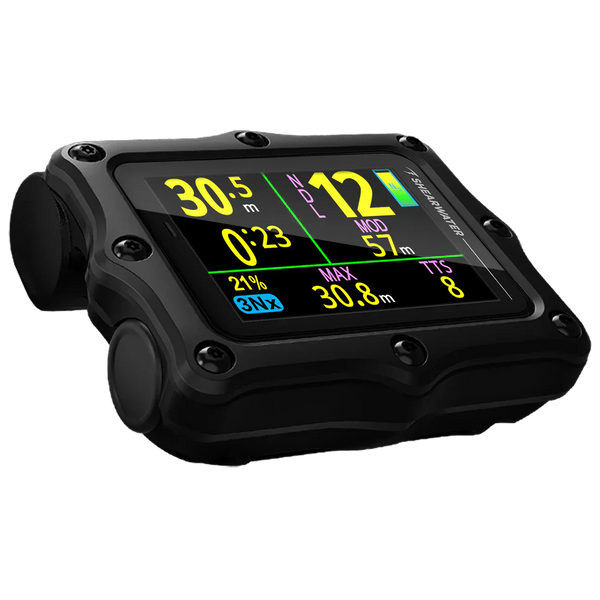
A personal dive computer provides consistency that rental units do not, especially on varied profiles and in lower visibility
-
Gauges and instruments that seemed interchangeable start to feel very different underwater
This is not about buying everything at once. Most divers move piece by piece from rental reliance to a personal setup as their diving demands it. A dive computer tends to be one of the earlier upgrades because it directly affects how you plan and monitor time underwater.
The practical difference at a glance
|
|
Open Water |
After Advanced Open Water |
|
Site access |
Limited to shallower local dives |
Broader range including deeper reefs, wrecks and boat dives |
|
Navigation |
Basic, usually guided |
More independent route planning and return awareness |
|
Conditions |
Best suited to simpler profiles |
Better prepared for variable Sydney conditions |
|
Equipment |
Rental gear generally sufficient |
Personal gear starts offering clear advantages |
|
Dive planning |
Following someone else’s lead |
Taking an active role in site choice and execution |
Why Sydney divers take it
The honest answer is that Sydney’s coastline exposes the limits of Open Water certification faster than many other places. The diving is good, varied and accessible, but it is not simple. Conditions change. Sites reward planning. Depth matters for access.
Advanced Open Water fits that environment because it turns a basic licence into something more usable for the diving most people here want to keep doing. Not for the card. For the extra room it gives in the water.